

 Products
 Bars
Bars
 Beads & Spheres
 Bolts & Nuts
 Crucibles
 Discs
Discs
 Fibers & Fabrics
 Films
Films
 Flake
Flake
 Foams
Foams
 Foil
Foil
 Granules
 Honeycombs
 Ink
Ink
 Laminate
 Lumps
Lumps
 Meshes
 Metallised Film
 Plate
Plate
 Powders
 Rod
Rod
 Sheets
 Single Crystals
 Sputtering Target
 Tubes
Tubes
 Washer
 Wires
Wires
 Converters & Calculators
 Write for Us



Ion Implantation Technology: Revolutionizing Industries
Ion implantation technology has become an essential element in driving innovation across various industrial sectors. This process, in which ions are incorporated into the surface layer of materials, has substantially altered the metal materials industry, semiconductor production and, notably, the biomedical field. By altering material properties at the atomic level, ion implantation provides additional means for enhancing product durability, efficiency and overall performance.
In the Metal Materials Industry
The use of ion implantation on metal materials aims to modify surface characteristics and, thereby, improve mechanical, chemical and physical performance. This treatment is vital for adjusting acoustic, optical and superconducting properties, in addition to enhancing wear resistance, corrosion resistance and oxidation resistance. Various sectors have implemented this technology to treat components such as air hydraulics pumps, precision couplings in combustion engines and parts used in automotive engine construction, carbide cutting tools and large-scale, wear-resistant precision components. The precise control of the implantation process enables manufacturers to modify material properties to meet specific industrial requirements, thereby extending the service life and reliability of crucial components.
Moreover, ion implantation contributes to extending the lifespan of tools and moulds. By implanting specified ions into these items, manufacturers can increase wear resistance significantly, thereby reducing the need for frequent replacements. This approach results in tangible cost savings, increased manufacturing efficiency and improved product quality.
In the Semiconductor Industry
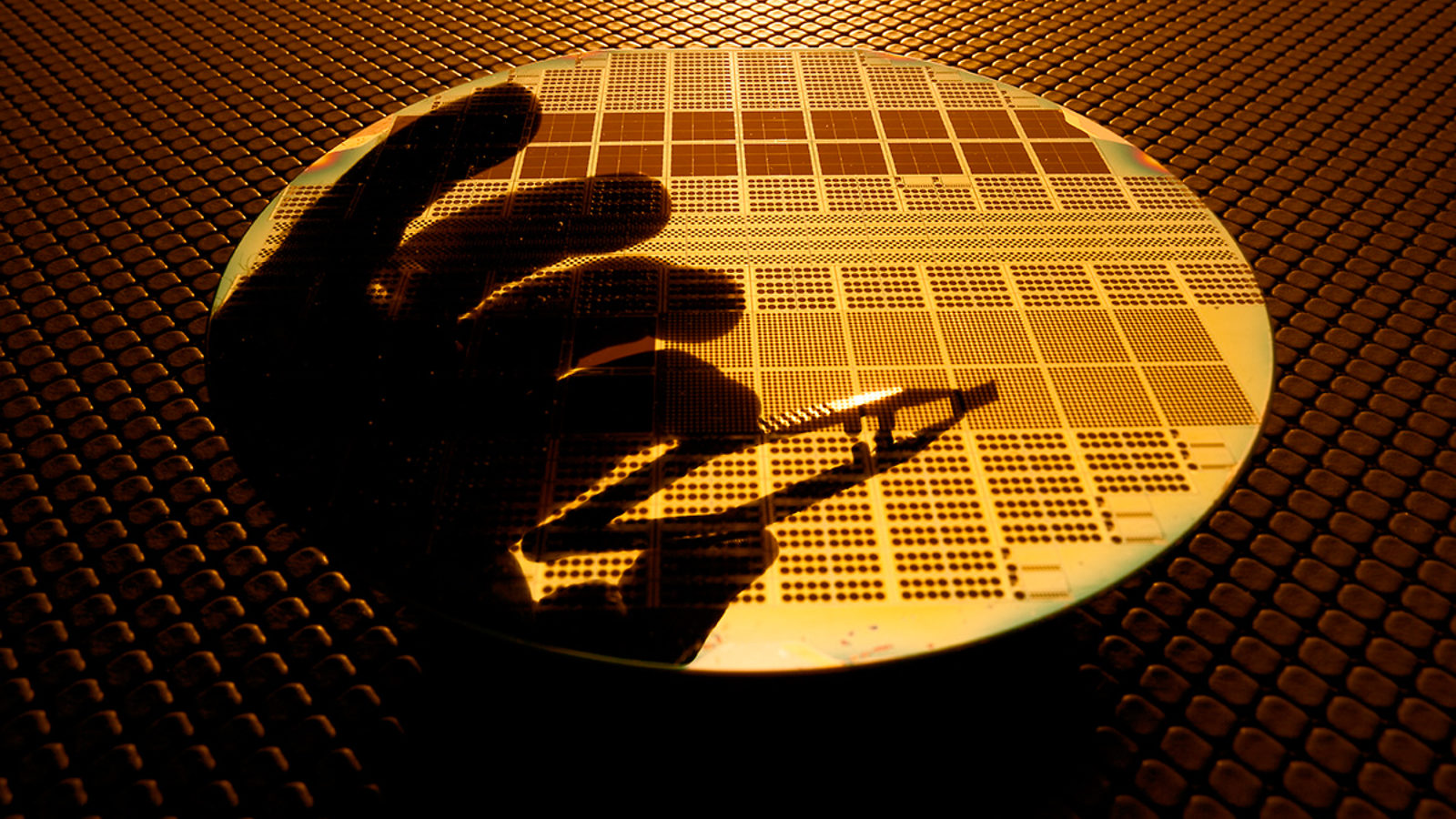
The semiconductor industry, which underpins modern electronics, has benefited markedly from the accuracy and repeatability of ion implantation. This technology constitutes a critical step in integrated circuit fabrication. It enables the precise doping of semiconductor materials with impurities, thereby ensuring that their electrical properties meet the stringent specifications required by electronic devices. Its precision is particularly relevant for fabricating flat interconnections in components with dimensions below 65 nm, given that dimensional control is imperative in these scenarios.
In the Biomedical Industry
In the biomedical sector, ion implantation has contributed to measurable improvements in the performance of medical devices and implants. By altering surface properties, this method can enhance biocompatibility, durability and resistance to bacterial colonisation in biomedical implants. This process is important for ensuring the long-term functionality of implants – from orthopaedic to cardiovascular devices – and thereby contributes to more reliable patient outcomes.
Conclusion
Ion implantation technology continues to evolve and is influencing multiple sectors, which underscores its technical versatility and relevance to modern manufacturing and research. In this environment, Stanford Advanced Materials (SAM) is an important provider of customised components for ion implantation. Their product range, which includes components manufactured from tungsten, molybdenum and TZM alloys, supports ongoing advancements in applications across metal materials, the semiconductor industry and biomedical innovations.
Collaboration between industry leaders such as SAM and the broader scientific and technical communities is critical for realising the full potential of ion implantation. Given that the continued integration of ion implantation in industrial and biomedical applications enhances product performance and efficiency, this process also contributes to the development of sustainable and innovative solutions for the complex challenges of our time.

 Chin Trento


