

 Products
 Bars
Bars
 Beads & Spheres
 Bolts & Nuts
 Crucibles
 Discs
Discs
 Fibers & Fabrics
 Films
Films
 Flake
Flake
 Foams
Foams
 Foil
Foil
 Granules
 Honeycombs
 Ink
Ink
 Laminate
 Lumps
Lumps
 Meshes
 Metallised Film
 Plate
Plate
 Powders
 Rod
Rod
 Sheets
 Single Crystals
 Sputtering Target
 Tubes
Tubes
 Washer
 Wires
Wires
 Converters & Calculators
 Write for Us



The Biocompatibility Of Niobium In Oral Implants
Introduction
Numerous research studies and experiments have examined the biocompatibility of niobium in oral implants. In 1991, a comparative study of implants made from pure titanium and pure niobium in rabbit bone showed that niobium implants produced a significantly higher opening moment than titanium implants. This effect was attributed to the more irregular surface morphology of niobium. Ongoing studies seek to reduce the precipitation of toxic metals (such as nickel and vanadium) in titanium alloys, consequently improving biocompatibility, reducing the modulus of elasticity and increasing the mechanical strength of the implants.
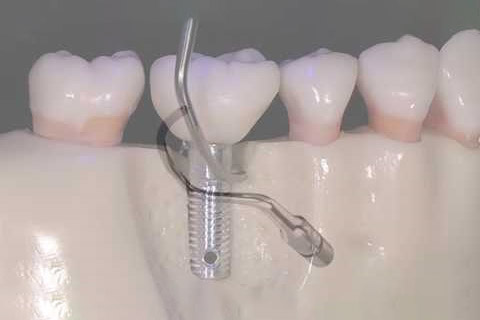
Does Niobium Improve the Biocompatibility of Oral Implants?
The answer is clear. Researchers examined the effect of 15 commonly used biomaterials on the bioactivity of osteoblast-like cells. They found that vanadium and nickel, in both particulate and ionic forms, are significantly more cytotoxic than niobium. Although niobium incurs high material and processing costs, experiments have demonstrated that it improves implant performance. Niobium coatings on stainless steel, cobalt-chromium, titanium and titanium alloy implants resulted in improved biocompatibility and mechanical properties, thereby reducing overall costs.
Further reading: What are the applications of Niobium?
Additional Advantages of Niobium in Oral Implants
Researchers aim to adjust the modulus of elasticity of metals to more closely match that of bone tissue, thereby minimising stress shielding. Studies have demonstrated that the addition of non‐toxic metal elements such as niobium, zirconium, tantalum and molybdenum to titanium alloys effectively reduces the modulus of elasticity and improves corrosion resistance.
Optimal Niobium Content for Improved Biocompatibility
Metal dental prostheses are frequently used in dental restoration. Given the complex oral environment, it is essential to enhance the mechanical and chemical properties, particularly corrosion resistance, to ensure the longevity of the prosthesis while maintaining biocompatibility. Investigations of titanium–niobium alloys with varying niobium concentrations have yielded the following results:
- 5 wt.-% Niob: Significantly increased hardness.
- 10 wt.-% and above Niob: Increased yield strength and tensile strength, but reduced elongation.
- 30 wt.-% Niob: Improved abrasion resistance while maintaining high hardness, strength and modulus of elasticity.
Other Metals for Improved Biocompatibility in Oral Implants
Metallic biomaterials are widely utilised in craniomaxillofacial surgery as substitutes for bone deformities and defects, as well as scaffold materials to enhance patient outcomes. Typical metallic biomaterials include:
- Stainless Steel: Provides better ductility and cyclic torsional strength.
- Cobalt-Chromium Alloys: Offer high stiffness, wear resistance and relatively high strength.
- Titanium Alloys: Known for high biocompatibility, corrosion resistance and specific strength (the ratio of tensile strength to density), although they have the lowest stiffness.
Conclusion
Niobium has demonstrated potential to improve the biocompatibility and mechanical properties of oral implants. Despite its high cost, niobium offers lower cytotoxicity, improved hardness, strength and corrosion resistance. Ongoing research into alloy formulations and coating techniques optimises the use of niobium and results in better patient outcomes in oral and craniofacial procedures. For further information, please visit Stanford Advanced Materials (SAM).
 Chin Trento


