Products
 Bars
Bars
 Beads & Spheres
 Bolts & Nuts
 Crucibles
 Discs
Discs
 Fibers & Fabrics
 Films
Films
 Flake
Flake
 Foams
Foams
 Foil
Foil
 Granules
 Honeycombs
 Ink
Ink
 Laminate
 Lumps
Lumps
 Meshes
 Metallised Film
 Plate
Plate
 Powders
 Rod
Rod
 Sheets
 Single Crystals
 Sputtering Target
 Tubes
Tubes
 Washer
 Wires
Wires
 Converters & Calculators
 Write for Us



Antimony: Element Properties And Uses
Description
Antimony is a metalloid known for its corrosion resistance, flame-retardant properties, and use in alloys, batteries, and semiconductor applications, making it essential in various industrial and technological fields.

Introduction to the Element
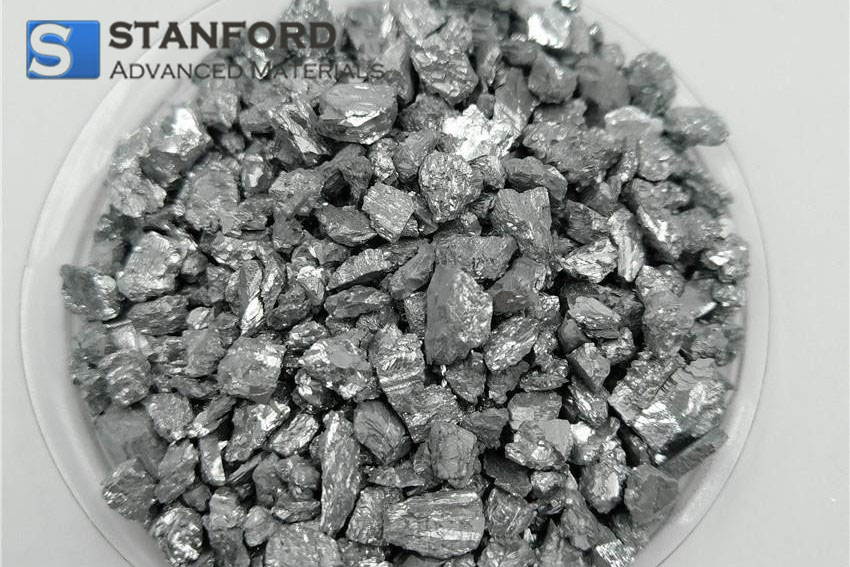
Antimony is a metalloid found in nature and has been recognized since ancient times. This element, with an atomic number of 51, has been known for its unique characteristics and varied applications. Antimony exists in various mineral forms, the most common being stibnite (Sb₂S₃).
Chemical Properties Description
Antimony's chemical characteristics are as intriguing as its physical appearance. The element is known for its multiple oxidation states, predominantly +3 and +5, which influence its reactivity and the types of compounds it forms. In many chemical reactions, antimony can act as both an oxidising and a reducing agent. This versatility is the foundation for many industrial processes, including the production of flame retardants and various alloys.
--Oxidation States and Reactivity
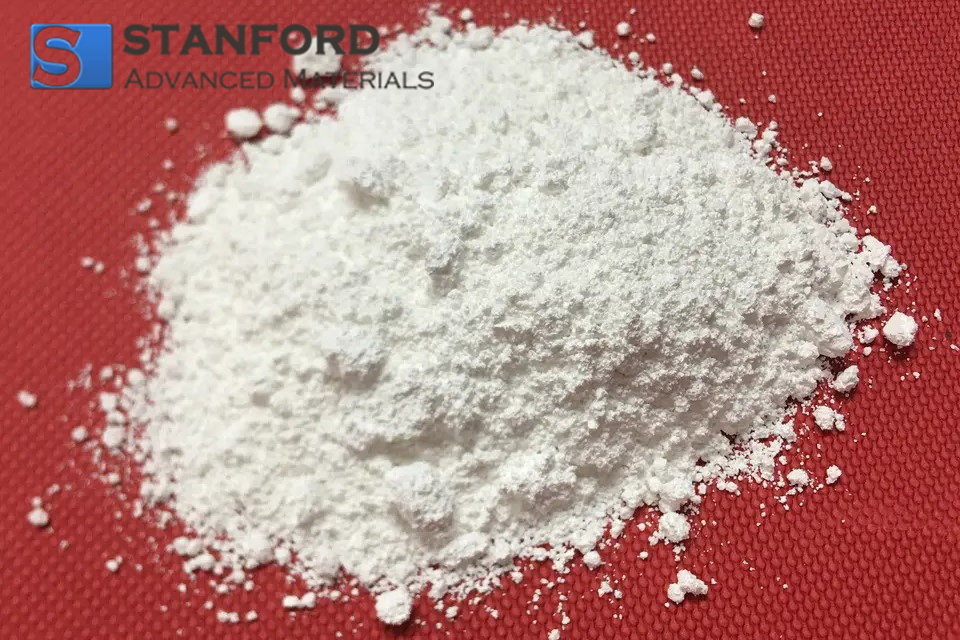
The most stable oxidation states for antimony are +3 and +5. In the +3 state, antimony forms compounds that are often less reactive, whereas the +5 state is common in more oxidised compounds. These oxidation states determine the element's ability to participate in redox reactions and its overall chemical stability. For instance, antimony trioxide (Sb₂O₃) is a significant compound used as a flame retardant additive in polymers and textiles. Its chemical inertness under normal conditions makes it safe for various applications; however, its reactivity increases under specific industrial processes.
--Interaction with Other Elements
Antimony reacts with acids, bases, and even some nonmetals under certain conditions. It forms intermetallic compounds when alloyed with metals such as lead, which enhances the durability and performance of the resultant material. Such interactions are crucial in understanding its chemical properties and how they can be harnessed in different manufacturing processes. The predictable nature of these reactions allows scientists to manipulate antimony for tailored applications, ensuring that its chemical properties are fully optimised for industrial use.
Physical Properties Data Table
|
Property |
Value |
Description |
|
Atomic Number |
51 |
Number of protons in the nucleus |
|
Atomic Weight |
~121.76 u |
Average mass considering natural isotopes |
|
Melting Point |
630.63 °C |
The temperature at which antimony transitions to a liquid |
|
Boiling Point |
1587 °C |
The temperature at which antimony transitions to gas |
|
Density |
6.697 g/cm³ |
Mass per unit volume at room temperature |
For more information, please check Stanford Advanced Materials (SAM).
Common Uses
Antimony finds its place in many common uses across different industries. One of the most widely known applications is in the production of flame retardants. Due to its stability and ability to reduce the spread of fire, antimony trioxide is added to plastics, textiles, and rubber products.
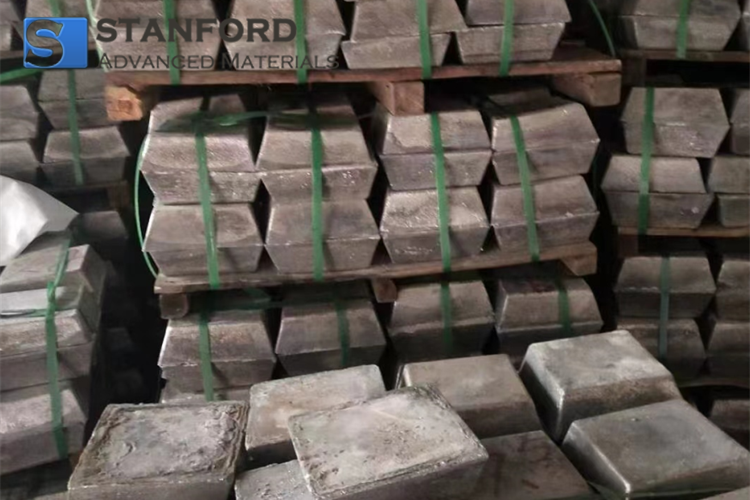
Apart from flame retardants, antimony is a critical component in alloy production. When combined with lead, it forms hard alloys that are used in battery grids, ammunition, and cable sheathing. Its unique properties also make it valuable in the semiconductor industry, where antimony-based compounds are used in the manufacturing of infrared detectors and diodes.

Preparation Methods
The extraction and preparation methods of antimony are both fascinating and critical to ensuring its purity for industrial use. The most common method of preparation involves the roasting of its primary ore, stibnite. In this process, the ore is heated in the presence of oxygen, which converts antimony sulphide into antimony oxide. This oxide is then reduced, typically with carbon, to yield pure antimony metal.
Frequently Asked Questions
What is the atomic number of antimony?
The atomic number of antimony is 51.
What are the predominant oxidation states of antimony?
Antimony mainly exhibits oxidation states of +3 and +5.
How is antimony commonly extracted from its ore?
Antimony is typically extracted by roasting stibnite to produce antimony oxide, which is then reduced.
What are some common uses of antimony in industry?
It is used in flame retardants, alloy production, lead-acid batteries, and electronic components.
Which industrial products benefit from the inclusion of antimony?
Antimony enhances products such as batteries, solders, ceramics, and various high-strength alloys.

 Chin Trento